The four lien waiver types
2026-09-047 min read
A lien waiver is a receipt that gives up security. Sign the wrong one of the four and you have released a claim on money that has not arrived. This is what each one does, in the order you will meet them on a job.
The four waivers, and only four
Every lien waiver in American construction is one of four documents, and the name on the top of the page tells you which. Two axes: conditional or unconditional, and progress or final. Conditional means the release only fires when the payment it names is actually received. Final means it covers retention and everything else, not just one billing period.
The four combinations are not equally risky. A conditional progress waiver is close to harmless; an unconditional final waiver is the last piece of paper you will ever sign on that job. Match the document to where the money actually is, not to what the general's accounts department has pre-printed.
| Type | Fires when | Covers retention | Risk |
|---|---|---|---|
| Conditional progress | Payment clears | No | Low |
| Conditional final | Final payment clears | Yes | Medium |
| Unconditional progress | Signature | No | High |
| Unconditional final | Signature | Yes | Highest |
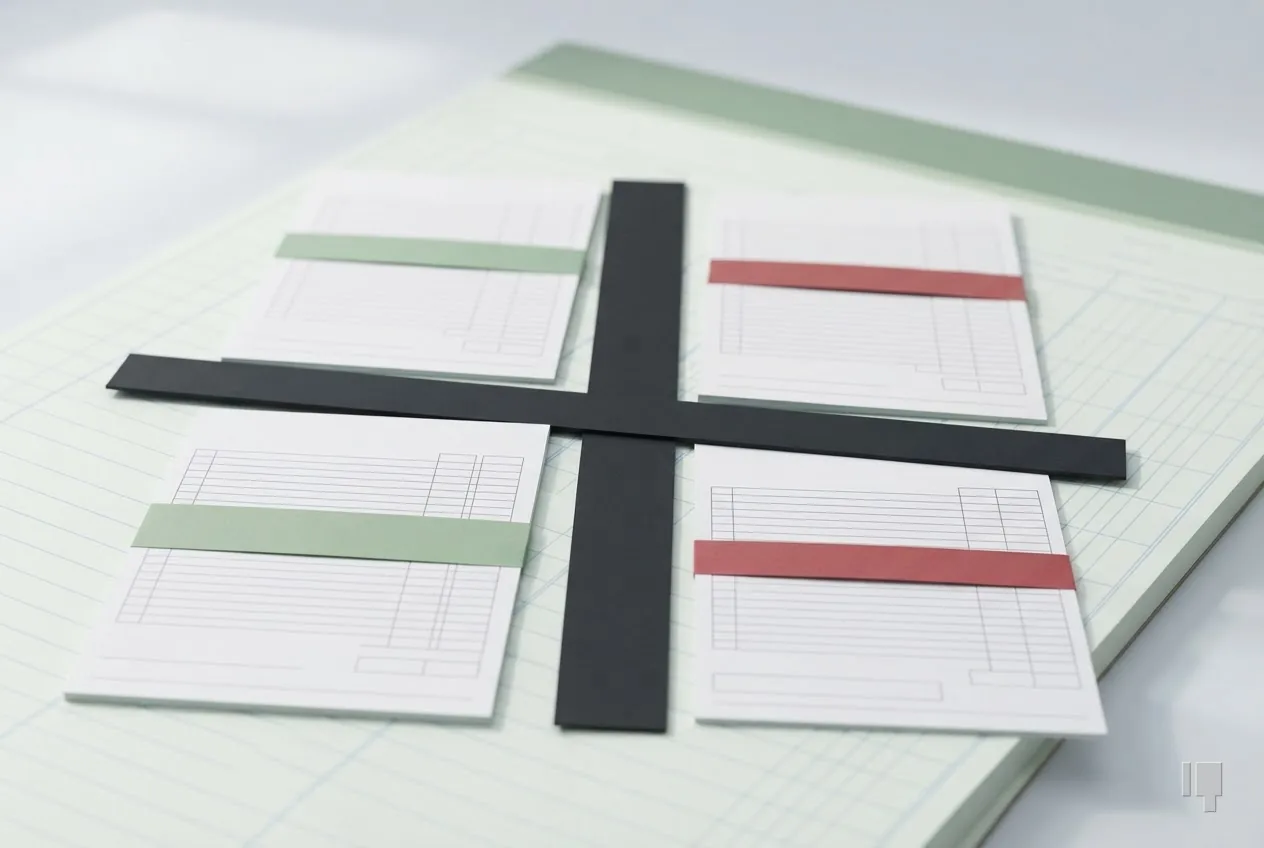
Conditional: a promise tied to money
A conditional waiver says: when I receive this payment, my claim through this date is released. Until then it does nothing. That single word is what makes it safe to hand over before the cheque is cut, which is exactly when generals ask for waivers.
Because a conditional waiver is inert until payment, there is almost never a reason to refuse one. The negotiation worth having is about the unconditional follow-up some contracts demand, and the answer is usually: yes, the day after the funds clear.
Florida publishes the statutory language itself. Its progress-payment waiver states that the release “does not cover any retention or labor, services, or materials furnished after the date specified” — wording worth borrowing even where your state does not mandate a form.
Unconditional: a receipt that binds
An unconditional waiver asserts a fact — that you have been paid — and releases on signature. If the cheque bounces, is stopped, or never posts, the release still stands and your remedy shrinks to a contract claim. This is the document that turns a secured subcontractor into an unsecured creditor in one signature.
The rule is simple and unpopular: do not sign until the funds have cleared. Not deposited. Cleared. Generals who need an unconditional waiver for a lender draw can almost always absorb one business day.
Common loss
The sub signs unconditionally on Friday so the cheque releases Monday, the general's funding slips two weeks, and by the time the money is late enough to fight about, the recording deadline has run on work the waiver already released.
Progress vs final: the retention line
A progress waiver deliberately carves retention out. That carve-out is what keeps you secured for the five or ten percent that has been accumulating since application no. 1. A final waiver removes it. On the example subcontract used across this site — a contract sum of 148,000.00 at five percent — that is 7,400.00 going from secured to unsecured.
Before signing a final waiver, three things should be true: the retainage has cleared, every approved change order has been billed, and backcharges have been settled rather than left to be netted later. Draft it with the final waiver generator once they are.
Which one to sign, and when
- Application submitted, no money yet → conditional progress.
- Cheque cleared, more work to come → unconditional progress, matched to the amount that cleared.
- Final application submitted, retainage still held → conditional final.
- Retainage cleared, job closed out → unconditional final.
If a general hands you a document that does not match where the money is, the fix is to send the correct one back rather than to sign the wrong one with a covering email. Generate any of the four from the waiver generator.
Sources
- Fla. Stat. § 713.20(4)
Florida publishes a statutory waiver form. The progress-payment version states that it does not cover retention, or labor, services or materials furnished after the date written on it.
Read 2026-10-18
- Cal. Civ. Code § 8200
Before recording a lien, giving a stop payment notice or claiming against a payment bond, a California claimant must give preliminary notice to the owner, the direct contractor and the construction lender. A laborer is exempt.
Read 2026-10-18
- Tex. Prop. Code § 53.101
Texas requires the owner to reserve 10 percent of the contract price (or 10 percent of the value of the work) during the job and for 30 days after completion — statutory retainage.
Read 2026-10-18
Related
- Lien Waiver GeneratorProduce any of the four, ready to sign.
- Conditional vs UnconditionalThe two-way comparison in one table.
- How to Fill Out a Lien Waiver2026-09-046 min readField by field.
- Requirements by State2026-09-047 min readWhich states publish a mandatory form.
- Lien Waiver vs Lien ReleaseWhen a waiver is the wrong paper.